

Romans 11: 1-2a, 29-32
Matthew 15: 21 – 28
This has to be one of the most puzzling stories in the Gospels. At first glance, you would be forgiven for feeling that Jesus is being both rude and misogynistic, possibly even racist – “I was sent only to the lost sheep of Israel” – calling a woman in desperate need a ‘dog’.
But that’s not the Jesus I know, the Jesus who is at ease with sinners, occupying troops, lepers and even women, sharing meals and healing them despite the ‘religious’ rules forbidding Him to do so.
So we have to delve a bit further into the significance of what is happening – and when we do, there seem to be two possible interpretations, both of which demand that the passage is contextualised by an awareness of its background.
One possibility is that throughout the Gospels, Jesus is continuously learning about the breadth of His mission. The woman challenges Him to consider whether His ministry is exclusive – for the Jews only – or universal – even to the ‘dogs’, if they accept Him and place their trust in Him. “Great is your faith – let it be as you wish”. Remember that this event takes place before the Transfiguration, when God proclaims Jesus as the Son in who He is well pleased, to be followed by the journey to Jerusalem which results in the fulfilment of Jesus destiny. Everything that has gone before incrementally prepares Him for the cross.
The other explanation is that Jesus knows exactly what He is doing. In front of the Pharisees and scribes, who have taken great offence at Jesus’ teaching (Matthew 15:12) Jesus offers a practical demonstration that, though God has chosen salvation to come from Israel, it is not just for Israel, but the whole of creation. The Messiah they want would reject the dogs (the Gentiles, the unclean, the women). That’s not what they get.
There are arguments for either interpretation. Food for thought.
But whichever, there is no argument that the woman is healed. As are we all, whoever we may be – Jew, Greek, slave, free, man, woman. One in Jesus, the Christ. That’s the important bit.
Previous Posts

Harvest Thanksgiving at St Michael and All Angels Waterville
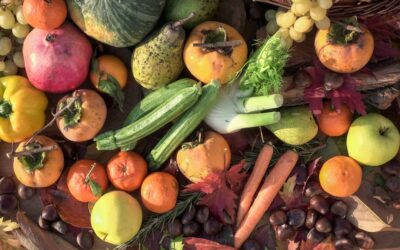
In celebrating God’s creation and understanding , that we are part of his wonderful world, we understand that Christ, the Pantocrator, the Ruler of All, wants to marry his creation in us.
Praying Together 4th October 2026
A Meditation for Trinity 18 - Harvest 2026CollectEternal God, you crown the year with your goodness and you give us the fruits of the earth in their season: grant that we may use them to your glory, for the relief of those in need and for our own well-being; through...
Praying Together 20th September 2026
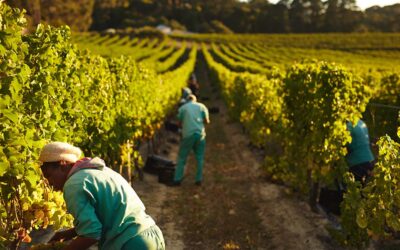
Salvation.
It can’t be earned. No-one can get more than the next person. There are no degrees of salvation. Salvation is personal and unique to each human being. It is the complete gift – all you can ever need.
Praying Together 13th September 2026
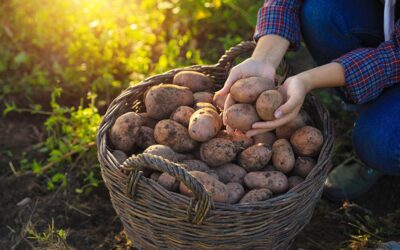
Our responsibility in the Christian life is to prepare people for receiving the Gospel – remembering that they are able to meet Christ themselves directly in prayer and scripture. We cannot meet Him on their behalf, and in His walk alongside them they will grow as His body on earth.

Praying Together 30th August 2026
Just like those early disciples and apostles there’s an important work to continue. You and I are part of that bunch of followers – ordinary people – let’s keep that in mind – as we reach out to others, each and every day of our lives.

Praying Together 23rd August 2026
Cambridge dictionary definition: ‘Conform’ – to behave according to the usual standards of behaviour that are expected by a group or society.

Praying Together 16th August 2026
We share the shame of both if we fail to address the divisive hatred within our own purportedly Christian ‘tribe’ before condemning others. For Scripture also says Judge not lest ye yourself be judged (Matthew 7:1). Jesus Himself makes it clear that hypocrisy has no place in a Kingdom founded upon love.

Praying Together 9th August 2026
Trusting Jesus and obeying His call takes commitment, it takes faith, it takes the courage to face antagonism, discomfort and sometimes suffering.

Praying Together 26th July 2026
Just cling to the promise that neither height nor depth, nor anything else in all creation, will be able to separate us from the love of God that is in Christ Jesus our Lord

Pray Together 19th July 2026
We define hope as ‘to want something to happen or to be true, and have a good reason to think that it might’.
Praying Together 12th July 2026
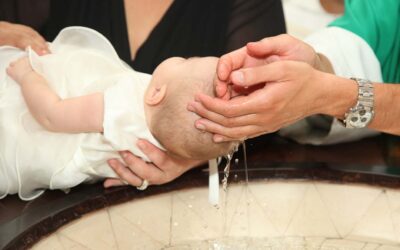
But the real task to which godparents promise is to ensure that the newly-baptised are supported in their Christian growth, by prayer, advice and example.

Praying Together 5th July 2026
We obey His command, but not as slaves – instead, he invites us to be willing servants, alongside the freedom to always ask and reason together with Him as we choose our actions. Therein lies the path to Wisdom, and in God’s Wisdom lies gentleness, humility and rest for our souls.