

2nd Sunday before Advent
Collect
Hebrews 10: 11 – 14, 19 – 25
The letter to the Hebrews couldn’t be clearer. The old ritual as described in detail in the Old Testament, in which a jewel-bedecked and richly adorned priest spills animal blood on an altar, has been replaced by the one all-encompassing sacrifice of God’s Son. No jewels. No fine clothes. No altar – a rough -hewn piece of wood on which the Prince of Peace is the sacrificial offering seeking redemption.
However, while Christians accept that Christ’s sacrifice is complete and sufficient, the appropriate celebration of this issue remains as the cause of division between those of different denominations. Some, of a Catholic Persuasion (n.b. not just ‘Roman’ Catholic), regard the Bread as incorporating (either symbolically or in reality) the consecrated blood of Jesus, and elevate it from the Altar in the Eucharistic Prayer for all to recognise as a sacrifice we offer to God. In theological terms, this is called ‘Sacrificium’ (sacrifice).
In an opposing doctrine in more conservative Protestant Theology, around God’s Holy Table He offers His Son to us. This is referred to as ‘beneficium’ (gift giving), that is, a gift from God to the faithful rather than from the faithful to God. The celebration of thanksgiving for salvation takes place within the context of a meal, and we share bread and wine as memorial of His words at the Last Supper.
Sacrifice or memorial? Millions of words on the issue haven’t reached a resolution, and probably won’t ever. But the important point is that this must not – Must Not!!! – cause division between all who proclaim Jesus as Lord. However we understand it, it is the Spirit-led recognition of His presence at the heart of our Eucharist that changes our lives and sets us free to be His Body on earth.
Previous Posts

Praying together 30th October 2022
Luke 18: 9-14Ephesians 1:11-23 ‘Saint’ Defn. #1: a person acknowledged as holy or virtuous and regarded in Christian faith as being in heaven after death. Well, I’m not dead yet (or at least I wasn’t at the time of writing.) So that’s not me. ‘Saint’ Defn. #2: a very...

Praying Together 23rd October 2022
We don’t stop doing right because of the fear of becoming proud – and we don’t let past failure stop us from living in His house.

Praying Together 16th October 2022
2 Timothy 3:14 - 4:5 Are we there yet? (Title courtesy of Marjorie)Just stop for a moment. Take a look around. How did you get to where you are at this instant in time? Now have a look into yourself, your heart and mind, and reflect on your journey in faith –...

Praying Together 9th October 2022
Collect for Trinity 17 Almighty God, you have made us for yourself, and our hearts are restless till they find their rest in you: Teach us to offer ourselves to your service, that here we may have your peace, and in the world to come may see you face to face;through...

An Ordination at St Michael and All Angels, Waterville
On Thursday last, 29th September - the feast of Michaelmas - members of all four churches of our Union joined together to witness The Reverend Barbara Irrgang-Buckley being ordained Priest by the Bishop of Tuam Limerick and Killaloe, the Right Reverend Michael...

Praying Together 25th September 2022
Luke 16: 19-31 What will it take to convince you? With thanks to Anselm of Canterbury, and his inspiration Augustine of Hippo, there are two approaches to faith. (Excuse the Latin, but I had five years of it at school and I can’t help showing off sometimes as a...

Praying Together 18th September 2022
Luke 16: 1-13 To whom do we owe our allegiance? You cannot serve God and ‘wealth’ Bah. If ever there was a misleading Biblical translation, that’s it. It’s bad enough when the translated phrase reads ‘You cannot serve God and money’. Neither of those words...

Praying Together – 11 September 2022
Collect for Trinity 13 Almighty God, who called your Church to bear witness that you were in Christ reconciling the world to yourself: Help us to proclaim the good news of your love, that all who hear it may be drawn to you; through him who was lifted up on the...

Arthur and Martha: Christ the King
This is the day we remember that Jesus is the king of all the world and that He is the greatest king of all. Just imagine. Jesus is our very best friend, but He’s a king!
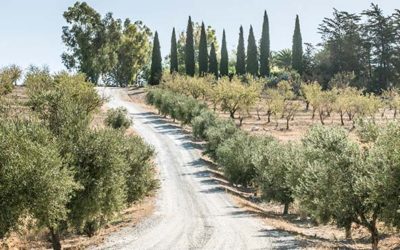
The Road to Emmaus | Luke 24: 13-35
The Road to Emmaus : Luke 24:13-35
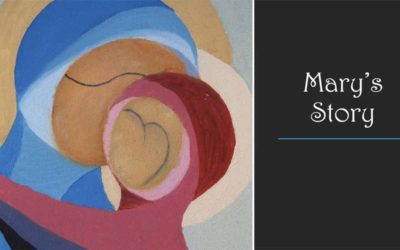
Mary’s Story
Hello little one. Pleased to meet you. It’s been an eventful few months while I’ve been waiting for you to arrive. Let me tell you all about it.
It started on an ordinary day. I was going about as normal, feeding the chickens, tidying up and that sort of thing. I wasn’t really concentrating, I was thinking about my wedding to Joseph in a few weeks time.
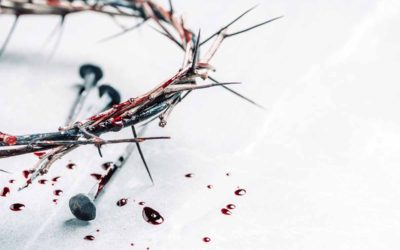
The Journey to the Cross
The Lent readings tell a familiar story. The story of a journey. A journey to the cross.
Let’s remind ourselves of that journey. After his baptism, Jesus went into the wilderness for forty days and forty very cold nights. The voices of Satan came whispering, tempting, but Jesus refuses to be distracted or tempted.